Beginner Guide to Using a Slow Cooker for Easy Meals
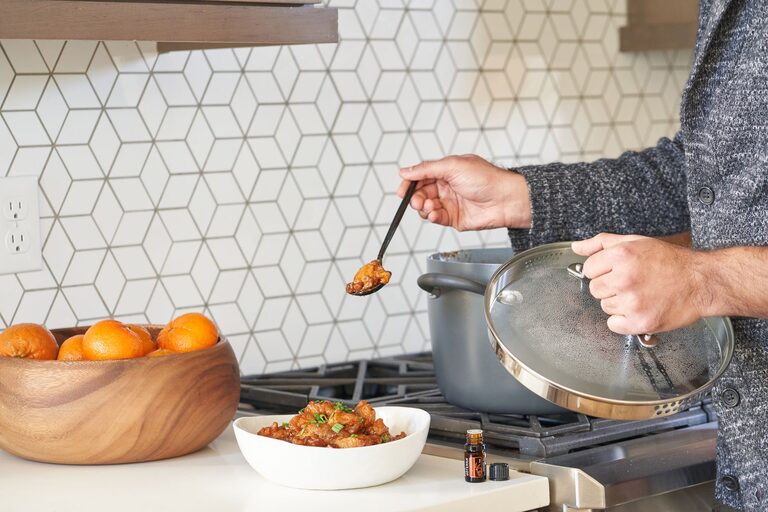
Using a slow cooker is one of the easiest ways to prepare delicious, home-cooked meals with minimal effort. Whether you’re new to slow cooking or just want to improve your skills, this beginner guide will walk you through everything you need to know. From choosing your slow cooker to simple recipes and helpful tips, you’ll be on your way to stress-free cooking in no time.
What Is a Slow Cooker?
A slow cooker, also known as a crock-pot, is a countertop electrical appliance that cooks food at a low, steady temperature over several hours. It consists of a pot made from ceramic or porcelain, which sits inside a heating element. The low heat gently cooks food, allowing flavors to develop and tough cuts of meat to become tender.
Benefits of Using a Slow Cooker
– Convenience: Simply add ingredients, set the cooking time, and let it do the work.
– Time-Saving: Prep meals in the morning and come home to a ready dinner.
– Energy Efficient: Uses less energy than an oven or stove.
– Healthy Cooking: Requires little to no added fats, preserving nutrients.
– Versatile: Great for soups, stews, roasts, casseroles, and even desserts.
Choosing the Right Slow Cooker
When selecting your first slow cooker, consider these factors:
Size
Slow cookers come in various sizes, usually between 3 to 8 quarts. For singles or couples, a 3-4 quart cooker is sufficient. Families or meal preppers may prefer 6-7 quarts.
Shape
Round slow cookers are better for soups and stews, while oval shapes suit roasts and whole chickens better.
Features
Look for features like:
– Multiple heat settings (low, high, keep warm)
– Programmable timer for automatic shut-off
– Removable stoneware for easy cleaning
– Temperature probe for precise cooking
Getting Started: Slow Cooker Basics
Here’s a simple step-by-step on how to use your slow cooker for the first time:
1. Prepare Your Ingredients
Chop vegetables, trim excess fat from meat, and measure out spices as per your recipe.
2. Layer Ingredients Properly
Place dense items like root vegetables on the bottom so they cook evenly. Place meat on top.
3. Add Liquid
Most slow cooker recipes require some liquid (broth, water, sauce). Be careful not to overfill; leave about an inch of space to avoid spills.
4. Set Cooking Time and Temperature
Use the recipe guidelines. Most recipes cook on low for 6-8 hours or high for 3-4 hours. Avoid opening the lid unnecessarily, as heat escapes and extends cooking time.
5. Check for Doneness
When the timer ends, check that meat is tender and vegetables are cooked through. If not ready, continue cooking and test every 15-30 minutes.
6. Serving and Cleaning
Serve directly from the slow cooker pot or transfer to a serving dish. Allow the stoneware to cool before cleaning. Most slow cooker inserts are dishwasher safe.
Tips for Successful Slow Cooking
– Brown Meat First: Searing meat in a pan before adding it to the slow cooker enhances flavor.
– Don’t Overload: Avoid filling more than 2/3 of the pot for even cooking.
– Layer Wisely: Put harder vegetables on the bottom and delicate ones on top.
– Use Fresh Herbs at the End: Add delicate herbs during the last 30 minutes to preserve flavor.
– Avoid Dairy at the Start: Milk, cream, and cheese can curdle if added too early; add near the end of cooking.
– Adjust Seasonings: Slow cooking can mellow flavors, so taste and adjust seasoning before serving.
Common Slow Cooker Recipes for Beginners
Slow Cooker Beef Stew
– Ingredients: beef chuck, potatoes, carrots, onions, beef broth, tomato paste, garlic, rosemary
– Cook on low for 7-8 hours or high for 4-5 hours
– Serve with crusty bread
Chicken Tacos
– Ingredients: chicken breasts, taco seasoning, salsa, black beans
– Cook on low for 6 hours
– Shred chicken and serve with tortillas and toppings
Vegetable Soup
– Ingredients: mixed vegetables, vegetable broth, tomatoes, garlic, herbs
– Cook on low for 6 hours
– Blend partially for a creamy texture
Safety Tips for Slow Cooker Use
– Always thaw frozen meat before adding to the slow cooker to avoid prolonged time in the temperature danger zone.
– Use fresh ingredients to reduce the risk of foodborne illness.
– Do not leave the slow cooker unattended for extremely long periods beyond recipe guidelines.
– Ensure your slow cooker is on a flat, heat-resistant surface.
– Regularly inspect cords and plugs for damage.
Final Thoughts
Slow cookers are fantastic for busy lifestyles, beginners, or anyone who enjoys flavorful, comforting meals without hours in the kitchen. Once you understand the basics, you can start experimenting with your favorite ingredients and recipes. Start simple, use quality ingredients, and enjoy the ease of slow cooking.
Happy cooking!